

 Phoenix 24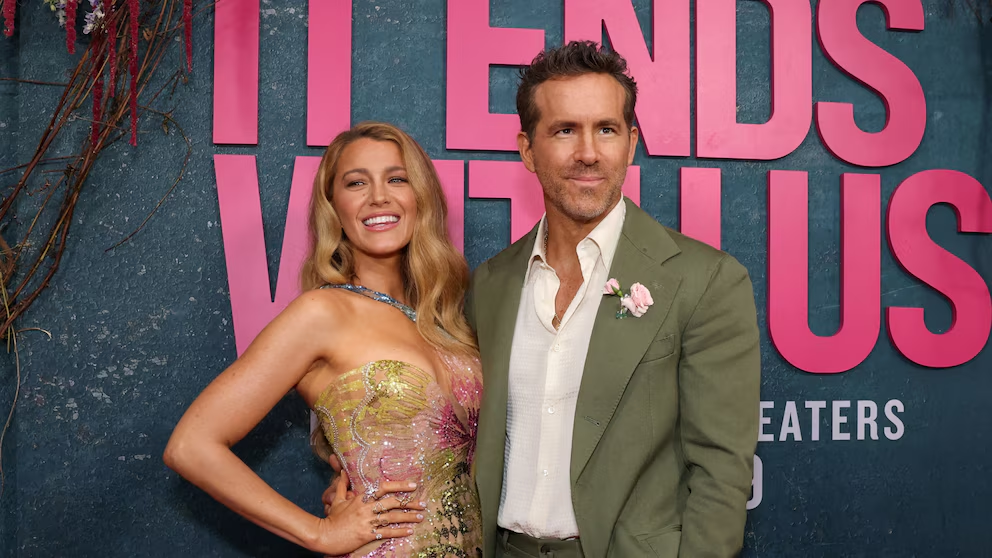
Private messages reveal a conflict over Hollywood’s corporate responsibility.
LOS ANGELES, UNITED STATES.
Ryan Reynolds pressed Sony Pictures to publicly defend his wife, Blake Lively, as criticism intensified during the August 2024 promotion of It Ends with Us, according to private communications reported in October 2026. The messages, exchanged with talent agent Warren Zavala, reveal the actor’s frustration with the studio’s reluctance to issue a stronger public response. Their disclosure has renewed attention on a controversy that subsequently developed into a legal dispute involving Lively and the film’s director and co-star, Justin Baldoni. Beyond the personal tensions, the correspondence exposes competing expectations about the responsibilities of entertainment companies when a major production becomes entangled in reputational conflict.
The messages dated August 17, 2024, were described by Page Six after appearing in court-related materials. Reynolds reportedly criticized Sony’s approach and urged the studio to confront what he believed was an organized campaign against Lively’s reputation. He also indicated that he had prepared language for a proposed public statement, although that version was not released. His position reflected a demand for institutional support rather than a formal finding that the allegations underlying the controversy had been established.
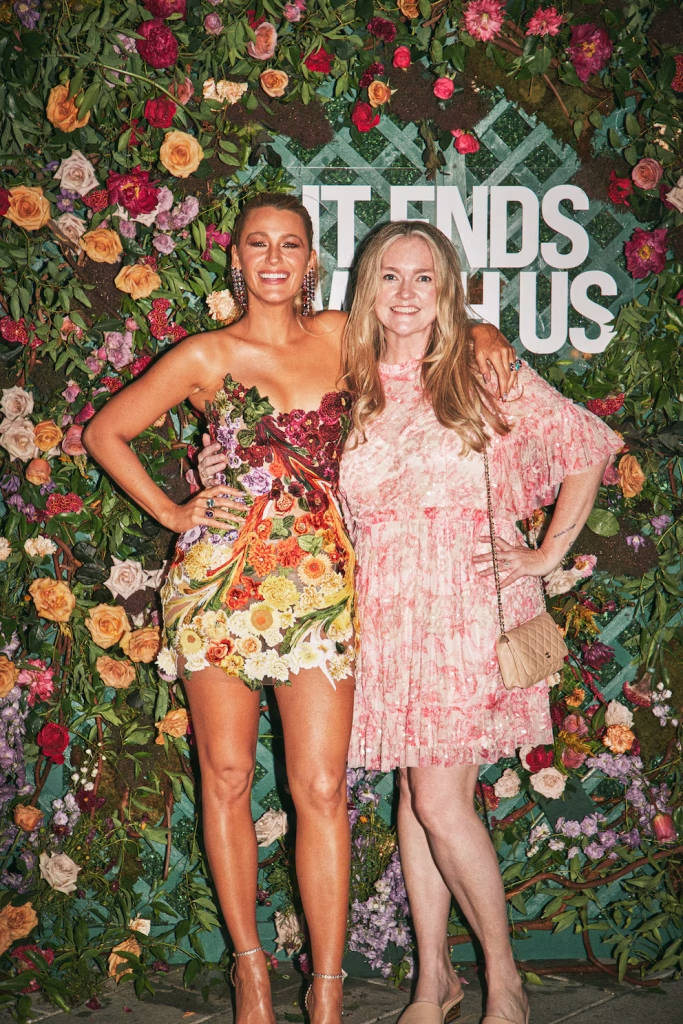
Public criticism had intensified during the film’s promotional campaign, particularly over the contrast between its subject matter and aspects of its marketing. Adapted from Colleen Hoover’s bestselling novel, It Ends with Usaddresses domestic abuse and emotionally harmful relationships. Some viewers questioned promotional messaging they considered insufficiently sensitive to those themes, while others criticized Lively’s references to her commercial ventures. These reactions developed alongside reports of tensions between Lively and Baldoni, increasing scrutiny of the production and its participants.
Sony’s hesitation illustrates the difficult choices studios face when promotional controversies overlap with potential legal exposure. An immediate public endorsement of one participant may create expectations about the company’s position before competing accounts have been independently examined. Remaining silent, however, can be interpreted as abandoning an individual facing intense criticism. For entertainment companies, the challenge involves protecting professional relationships without presenting unresolved claims as established facts.
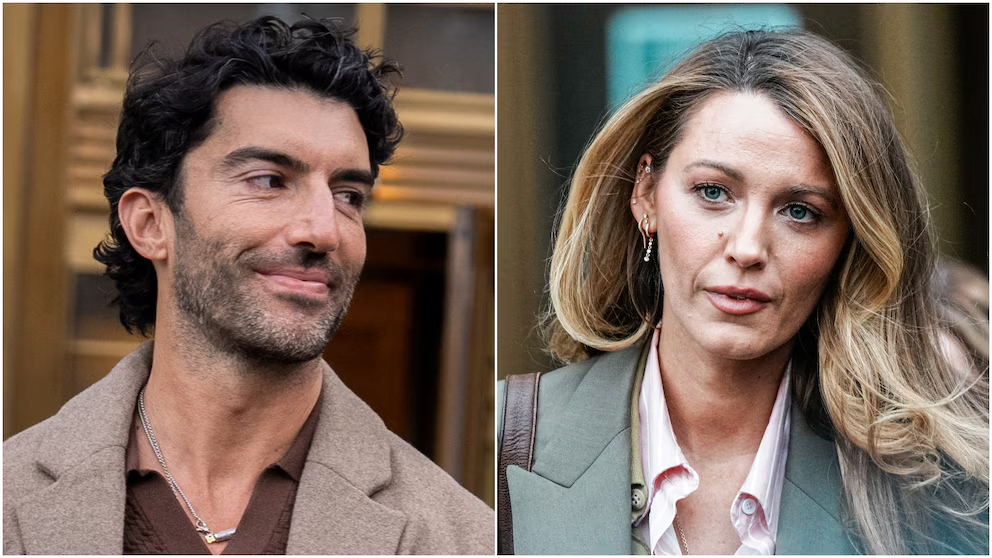
The dispute subsequently escalated when Lively accused Baldoni of sexual harassment and reputational retaliation in December 2024. Baldoni denied wrongdoing, and the conflict produced litigation and competing public narratives. Sony issued a statement supporting Lively later that month, after the initial promotional controversy had already developed into a much broader confrontation. Subsequent court proceedings and reported settlements must be distinguished from the original allegations, since legal outcomes do not automatically validate every public accusation made during a dispute.
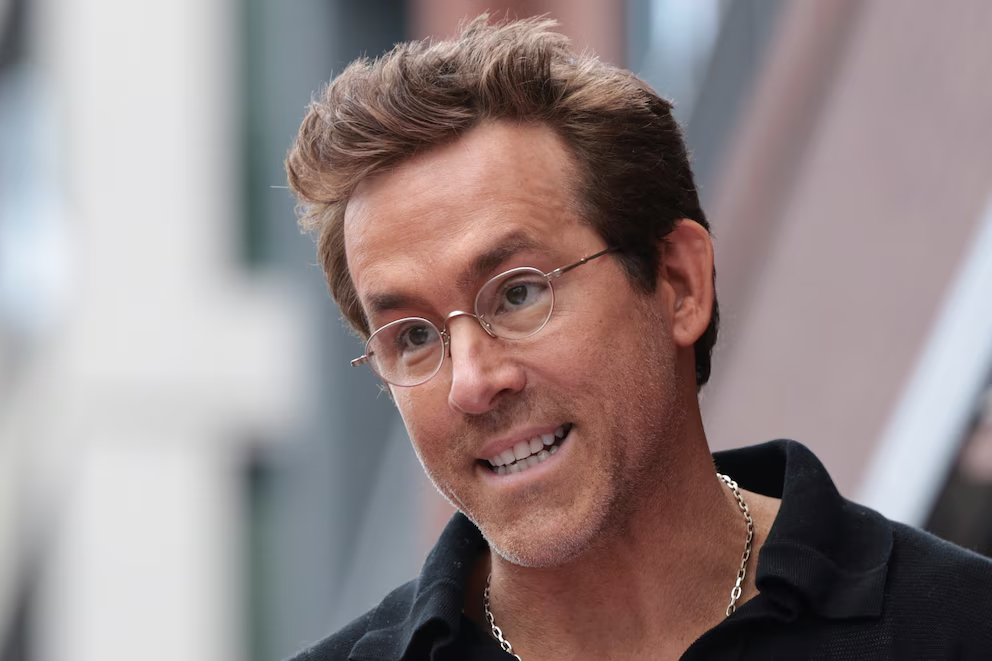
The newly publicized messages offer insight into Reynolds’s expectations of Hollywood’s institutional response, but they do not establish the motives of every party involved. They also demonstrate how private conversations can reshape the public interpretation of an entertainment controversy long after its initial commercial release. In an industry where personal reputation and corporate investment are closely connected, decisions about communication can acquire consequences well beyond publicity. The enduring issue is how studios balance loyalty, evidence and accountability when public pressure demands an immediate position.
Beyond the Headlines, Accountability Matters.