

 Phoenix 24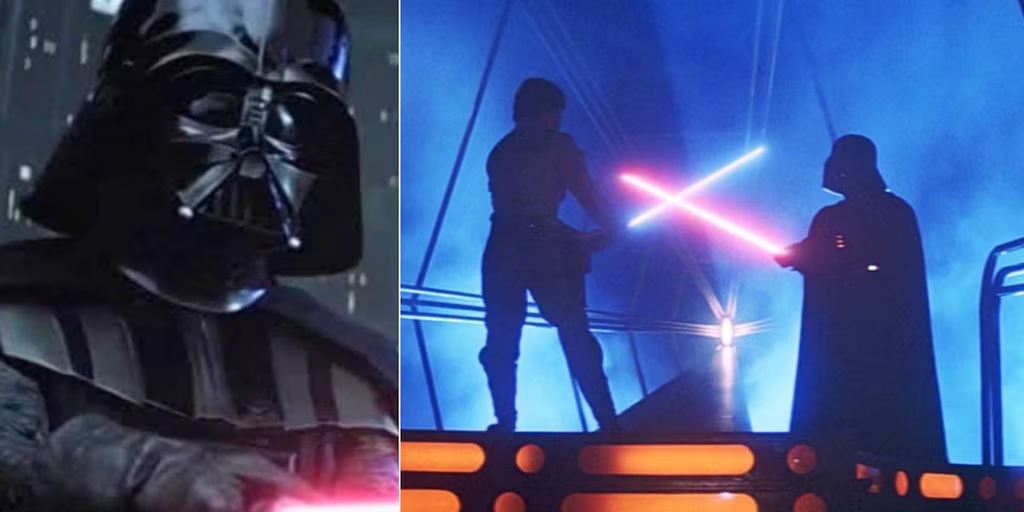
Hollywood history meets a multimillion-dollar collectors’ market.
DALLAS, UNITED STATES.
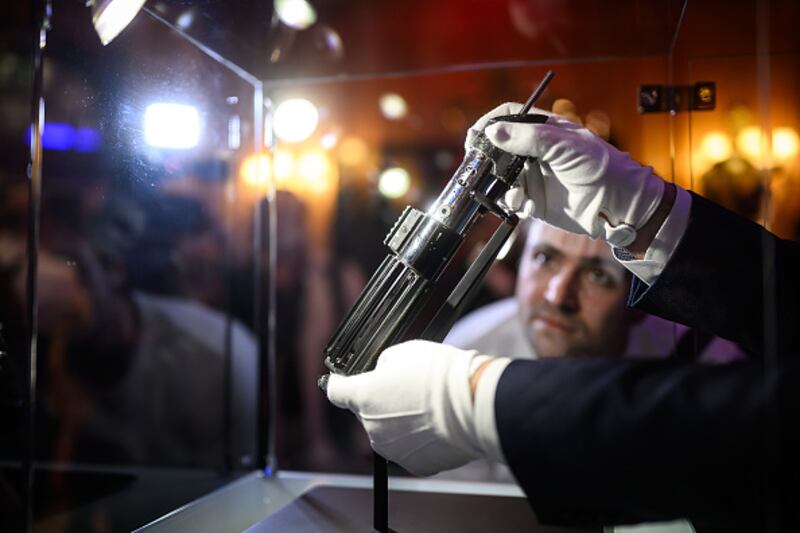
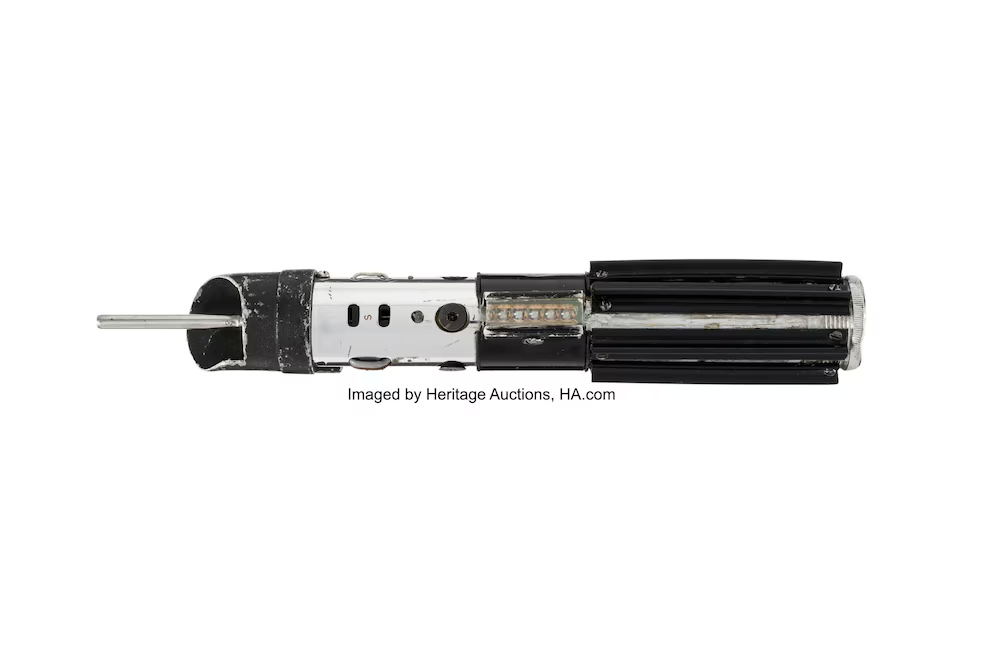
One of the most recognizable objects in cinematic history is returning to the auction market. A screen-used Darth Vader lightsaber associated with the confrontation against Luke Skywalker in The Empire Strikes Back will be offered by Heritage Auctions on November 12, 2026, with an opening bid of $1 million. The prop previously sold for $3.654 million in September 2025, making its return particularly significant for collectors of rare film memorabilia. Beyond its connection to the celebrated Star Wars franchise, the sale raises questions about how cultural significance, scarcity and documented provenance influence the financial value of Hollywood artifacts.
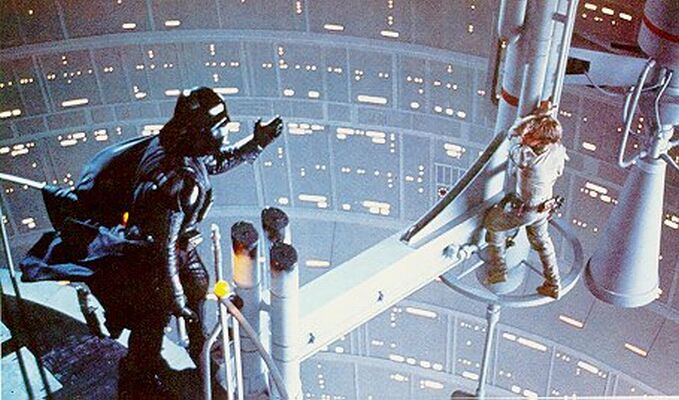
The lightsaber appeared in the 1980 film during the confrontation on Cloud City, where Darth Vader reveals his identity to Luke Skywalker in one of cinema’s defining dramatic moments. According to Heritage Auctions, the same prop was also used in Return of the Jedi, released in 1983. Its importance comes not merely from its recognizable design but from its documented association with productions that transformed science fiction into a major cultural and commercial phenomenon. For collectors, that distinction separates authentic production artifacts from the countless replicas manufactured for the consumer market.
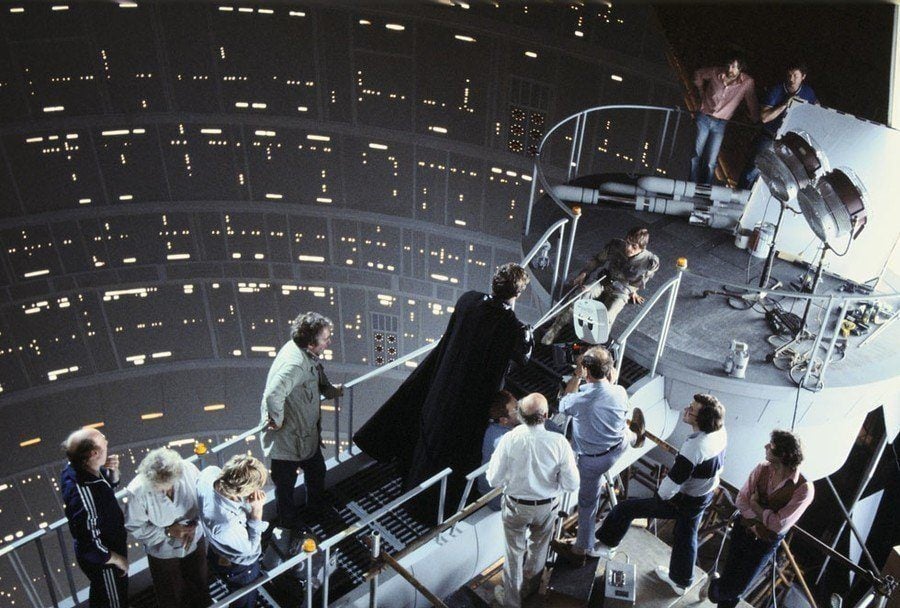
The object’s auction history is especially revealing. Heritage identifies its previous sale at Propstore on September 4, 2025, when it achieved $3,654,000, briefly establishing a world auction record for a screen-used Star Wars prop. That distinction was surpassed in July 2026 when a lightsaber associated with Luke Skywalker’s confrontation in The Empire Strikes Back sold for $3.75 million. The new $1 million opening bid should not be confused with an estimate of the final sale price or interpreted as proof that the artifact has lost value.
Authenticity plays a decisive role in this specialized market. Unlike ordinary collectibles, production-used objects require detailed documentation establishing their connection to filming, ownership history and physical characteristics. Heritage describes the Vader lightsaber as screen-matched and provides its prior auction provenance, strengthening the information available to potential bidders. Nevertheless, documented authenticity does not remove market uncertainty, particularly when an object returns to auction within a relatively short period.
The November event will extend far beyond Darth Vader’s signature weapon. Heritage Auctions plans to offer more than two dozen lightsabers associated with films and television productions from the Star Wars universe, alongside additional memorabilia. Among the announced highlights are weapons connected to Obi-Wan Kenobi, Anakin Skywalker and Boba Fett, as well as items associated with Yoda and C-3PO. The concentration of recognizable artifacts demonstrates how major entertainment franchises have created specialized international markets for objects once regarded primarily as filmmaking equipment.
Ultimately, the auction illustrates the growing commercial importance of cinematic heritage. A prop originally constructed to serve a fictional narrative can acquire exceptional value when its material existence becomes inseparable from the collective memory of audiences. Yet cultural importance and auction performance are not identical measures, and a famous screen appearance cannot guarantee a particular result. When bidding concludes in November, the final price will reveal how collectors currently value one of the most enduring symbols of the Star Wars saga.
Beyond the News, the Pattern.