

 Phoenix 24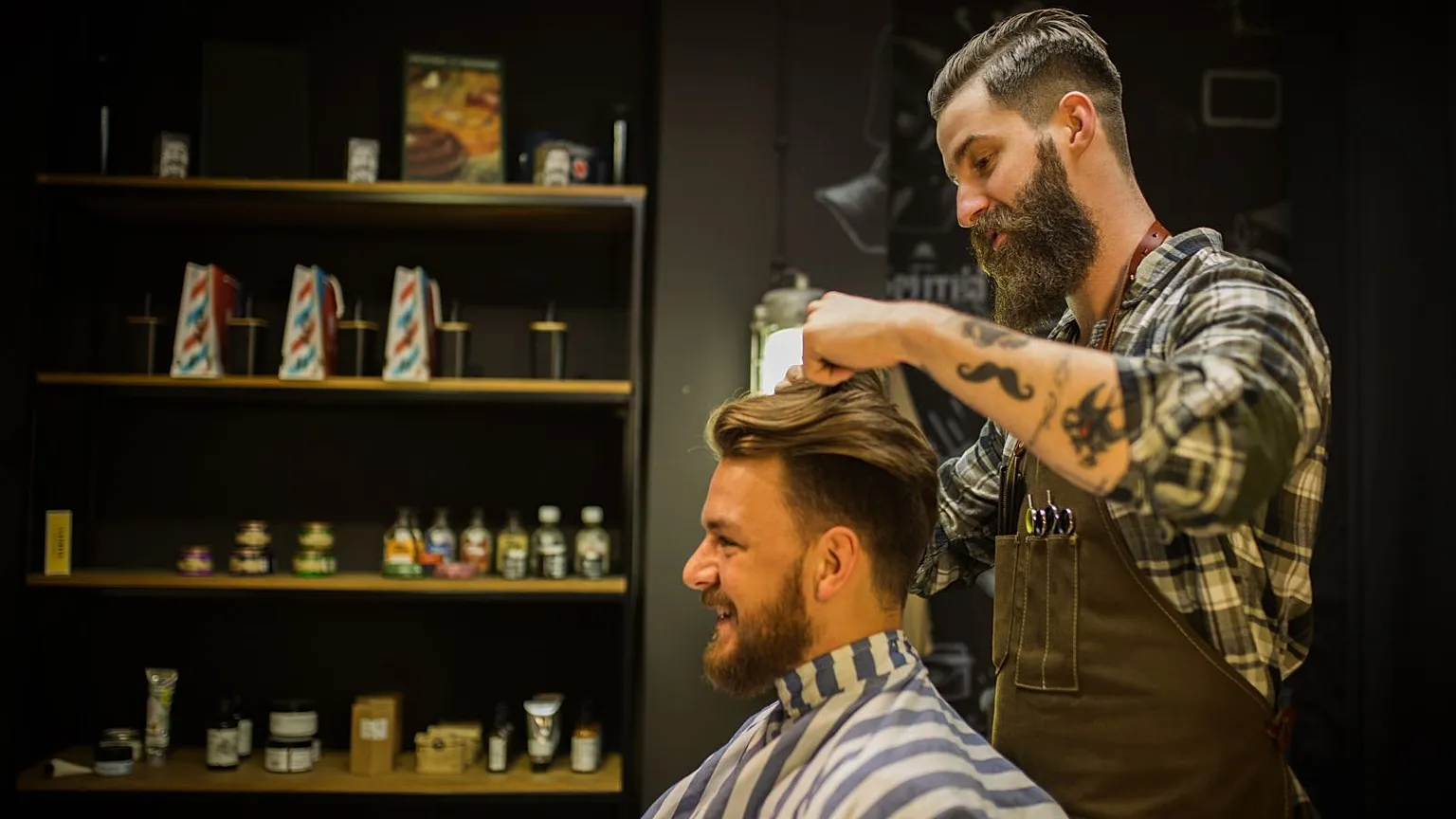
Community initiatives across Europe are moving prevention into places where men may feel more comfortable talking before a crisis develops.
London, United Kingdom
Across Europe, a growing number of community-based programs are experimenting with a different approach to men’s mental health: bringing support into familiar environments instead of waiting for men to enter traditional clinical settings.
In Brixton, south London, barbershops are becoming part of that effort. More than 100 barbershops across the United Kingdom have received mental-health first-aid training through the 12th Man campaign, which teaches staff how to recognize signs of distress, ask meaningful questions and guide clients toward professional support when necessary.
The idea relies on an existing social dynamic. Many men speak openly with barbers in ways they may not with partners, friends or health professionals. The relationship is personal enough to encourage trust but informal enough to reduce the pressure often associated with discussing mental health.
The initiative reflects a broader problem. Men are generally less likely than women to seek psychological help, while suicide remains disproportionately high among male populations. At the same time, long waiting lists for formal treatment can leave people without timely support even after they decide to ask for help.
Community programs are not intended to replace psychiatrists, psychologists or other mental-health professionals. Their purpose is earlier intervention: identifying distress before it develops into a crisis and creating more accessible routes toward care.
A similar philosophy has developed in Denmark through Vildmandsprojektet, or the Wild Man Project. The program uses structured nature-based rehabilitation over periods of roughly nine to 12 weeks for men experiencing psychological crisis.
Its approach combines nature, physical activity, mental reflection and community. Research involving 114 participants found improvements in self-reported physical and mental quality of life as well as reductions in perceived stress, with some effects still visible six months after participation.
The model was used for more than eight years and involved around 700 men before its broader Nature, Body, Mind and Community method was adopted by more than 50 Danish municipalities. The framework has since been adapted beyond male-only groups.
National health systems are also showing interest in similar approaches. In the United Kingdom, social prescribing can connect patients with activities such as gardening, walking groups, art or community workshops, creating a bridge between medical care and everyday social participation.
Critics correctly note that community programs cannot solve deeper problems such as inequality, precarious employment or underfunded health systems. But their growing popularity reflects an important shift in thinking: mental-health prevention may work better when it is embedded in ordinary life rather than confined entirely to clinical environments.
The emerging lesson is simple but significant. Men may not always enter a therapy room first, but they may talk in a barbershop, on a trail or inside a community they already trust.
Sometimes the first step toward mental-health care is not creating another service, but changing where the conversation begins.