

 Phoenix 24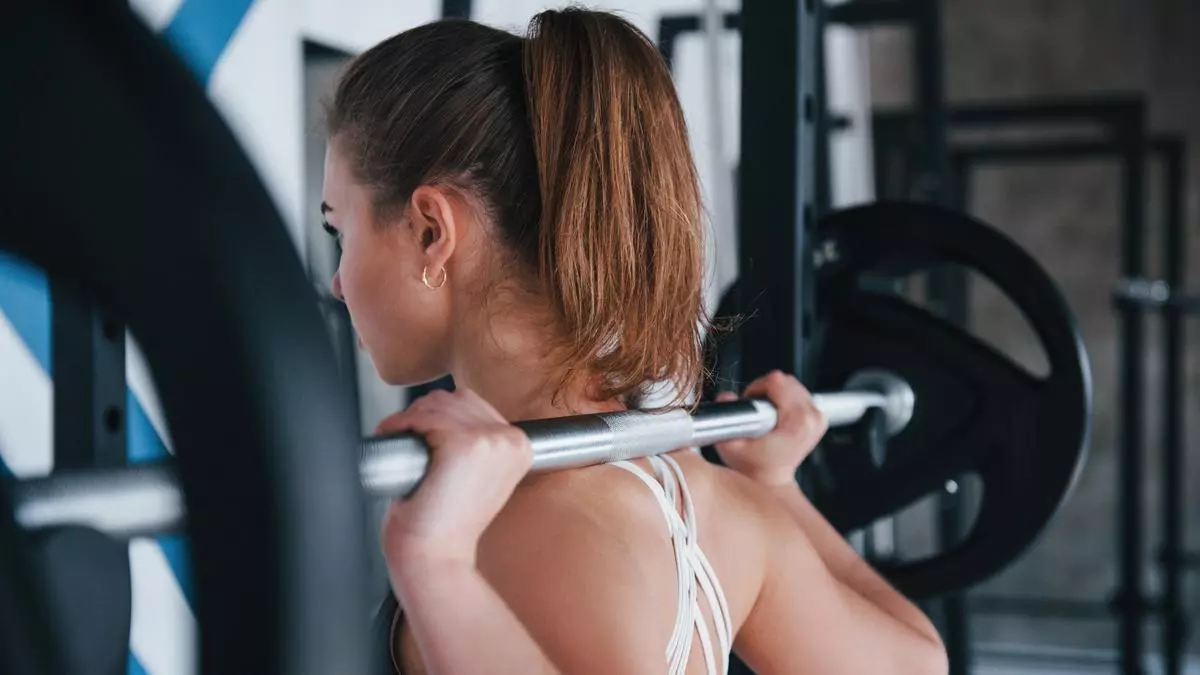
Trainer Ana López argues that preserving bone health requires more than walking or staying generally active.
Barcelona, Spain
Strength training is increasingly being recognized as one of the most effective forms of exercise for protecting bone health as people age, particularly for women approaching or experiencing menopause. Trainer Ana López emphasizes that resistance exercise can help counter the progressive loss of bone density that raises the risk of osteoporosis and fractures later in life.
The principle is relatively simple. Bones respond to mechanical loading. When muscles pull against them during resistance exercises, the skeleton receives a stimulus that can help preserve or improve bone strength. That makes exercises involving weights, resistance bands or body weight particularly relevant for long-term skeletal health.
The issue becomes more important with age. Bone mass gradually declines over time, while hormonal changes during menopause can accelerate that process in women. At the same time, loss of muscle mass and strength can increase the likelihood of falls, creating a combination in which weaker bones and poorer physical stability raise fracture risk.
Strength work can address both sides of that equation. In addition to supporting bone density, it can improve muscular strength, balance, coordination and functional independence. Those benefits matter because osteoporosis is not only about what happens inside the bone. Preventing falls can be just as important as improving skeletal resilience.
López’s message also challenges the idea that cardiovascular activity alone is sufficient for healthy aging. Walking, running and cycling provide important cardiovascular and metabolic benefits, but a complete exercise strategy increasingly includes dedicated resistance training as well.
The emphasis should not be interpreted as an invitation to lift heavy weights without preparation. Training intensity, technique and progression need to reflect age, previous experience and individual health conditions. People already diagnosed with osteoporosis or other musculoskeletal conditions may require professional guidance to avoid movements that create unnecessary injury risk.
The growing attention to strength training reflects a broader transformation in how healthy aging is understood. Exercise is no longer viewed simply as a tool for controlling body weight or maintaining cardiovascular fitness. Muscle and bone are increasingly treated as interconnected systems that influence mobility, independence and quality of life.
For many adults, that changes the meaning of the gym. Resistance exercise becomes less about appearance and more about maintaining the physical capacity to move, carry, climb, recover and remain independent decades later.
Healthy aging is not only about adding years to life. It is also about preserving enough strength to remain fully present in them.