

 Phoenix 24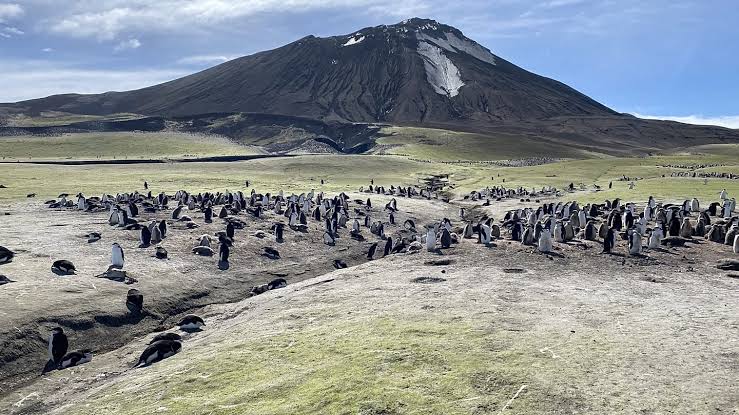
Even the planet’s most remote ecosystems are no longer insulated.
Zavodovski Island, South Georgia and the South Sandwich Islands
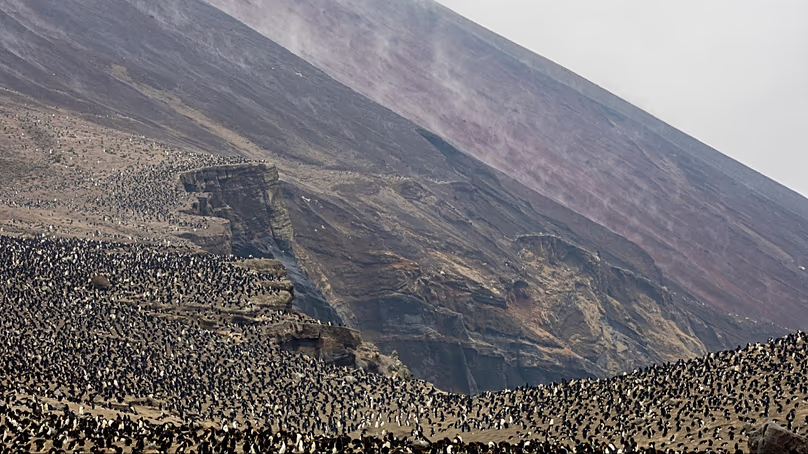
More than half a million chinstrap penguins have disappeared from Zavodovski Island, a remote volcanic outpost near Antarctica that once supported the largest penguin colony on Earth. Researchers documented the decline using drones, aerial photography and tracking devices after an expedition requiring more than two weeks of travel through difficult seas. The loss represents more than a quarter of the island’s penguin population. Cape Adare in the Ross Sea has now overtaken Zavodovski as the world’s largest penguin colony.
The decline is particularly striking because Zavodovski had previously appeared more resilient than many other Antarctic locations. Researchers found that occupied chinstrap penguin nests fell by 63 percent between 2011 and 2025, giving the island one of the steepest recorded declines for the species. Scientists have largely ruled out the island’s 2016 volcanic eruption as the principal explanation because the population continued falling long after the immediate effects of ash and smoke disappeared. The evidence instead points toward changes in the Southern Ocean linked to a warming climate.
Chinstrap penguins depend heavily on Antarctic krill and prefer feeding in colder waters northwest of the island. As ocean temperatures have risen, krill populations have shifted farther south toward the Weddell Sea. The penguins cannot simply follow their main food source because sea ice and the absence of suitable nesting islands create geographical barriers. A change in ocean temperature therefore becomes a change in food availability, breeding success and ultimately survival.
Macaroni penguins living on the same island tell a different story. Their population increased substantially during the previous decade and has remained comparatively stable since then. Unlike chinstraps, macaroni penguins can rely on a broader range of prey, including fish and crustaceans, allowing them to adapt when krill becomes scarce. The contrast offers scientists a natural experiment showing how ecological flexibility can determine which species endure rapid environmental change.
The implications extend beyond one colony. The South Sandwich Islands contain a significant share of the world’s chinstrap penguins, meaning sustained losses there could influence the global conservation status of the species. Researchers also fear that changes of this magnitude could disrupt wider marine food webs across the region. The disappearance of hundreds of thousands of penguins is therefore not an isolated wildlife story, but another signal that climate disruption is reorganizing ecosystems far from major human settlements.
Distance no longer guarantees protection from a changing planet.