

 Phoenix 24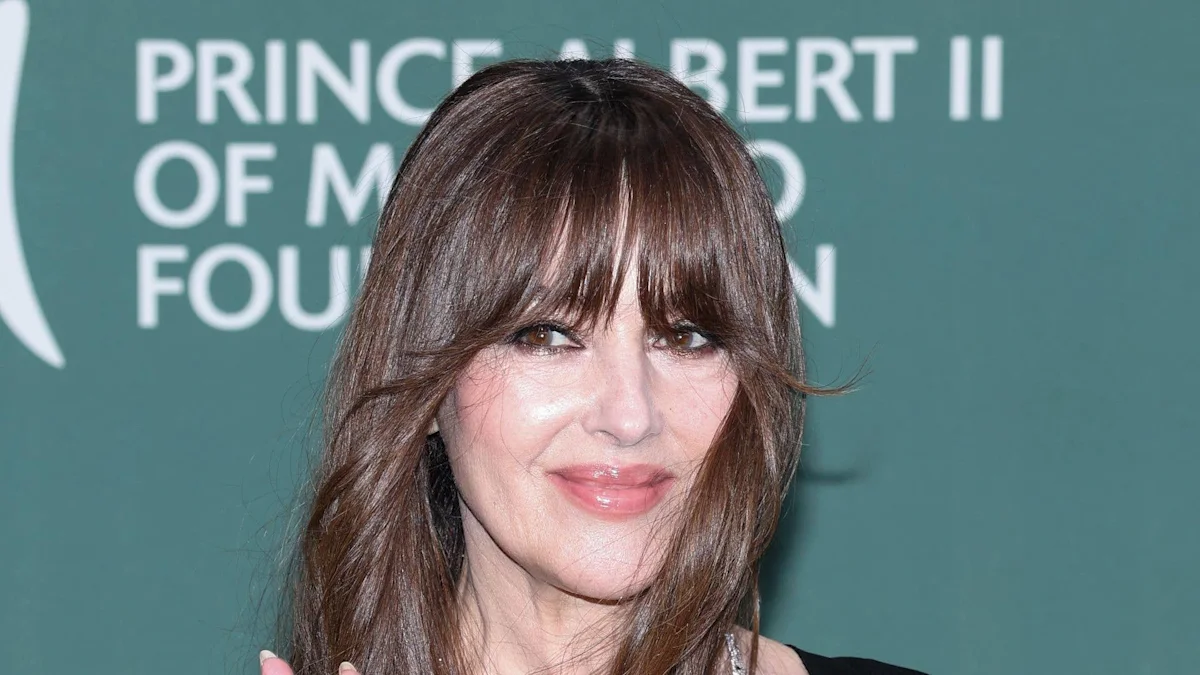
For the Italian actress, growing older is not a loss of identity but another way of inhabiting it.
Paris
Monica Bellucci has reflected openly on aging at 62, rejecting the idea that growing older should be understood primarily as decline. Speaking about her role in The Birthday Party, the Italian actress argued that maturity has given her access to emotional territory she could not have interpreted with the same depth when she was younger.

In the film, also known as Histoires de la nuit, Bellucci plays Cristina, a reclusive painter whose internal conflicts become central to the story. The production, directed and written by Léa Mysius and adapted from Laurent Mauvignier’s novel, premiered in competition at the Cannes Film Festival in May.
Bellucci says the role required more than physical transformation. In her view, certain characters can only acquire credibility through lived experience. She has said that she could not have played Cristina at 30 or 40, even with makeup designed to make her appear older, because the character depends on emotional weight that comes from years of accumulated experience.
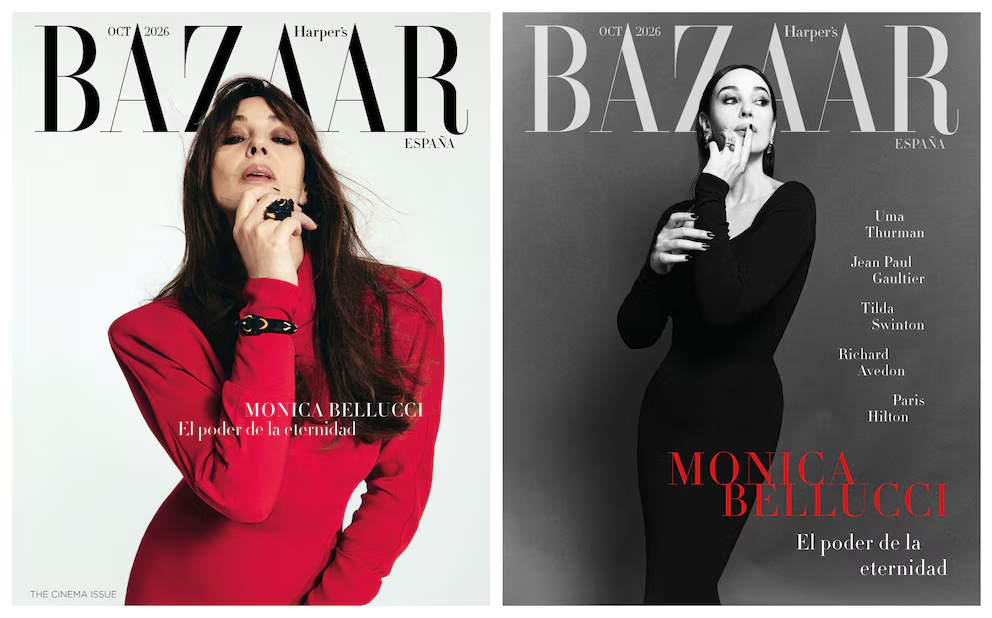
Her reflections extend beyond acting. Bellucci describes aging as inseparable from the privilege of remaining alive and continuing to have a future. She also associates maturity with detachment, suggesting that time can reduce the urgency of certain anxieties and expectations that dominate earlier stages of life.

That perspective directly challenges the fear of invisibility that often surrounds women in entertainment. Cristina, her character, worries that women become transparent after reaching a certain age. Bellucci rejects that assumption through her own experience, continuing to work internationally while remaining a major presence in fashion, cinema and luxury culture.
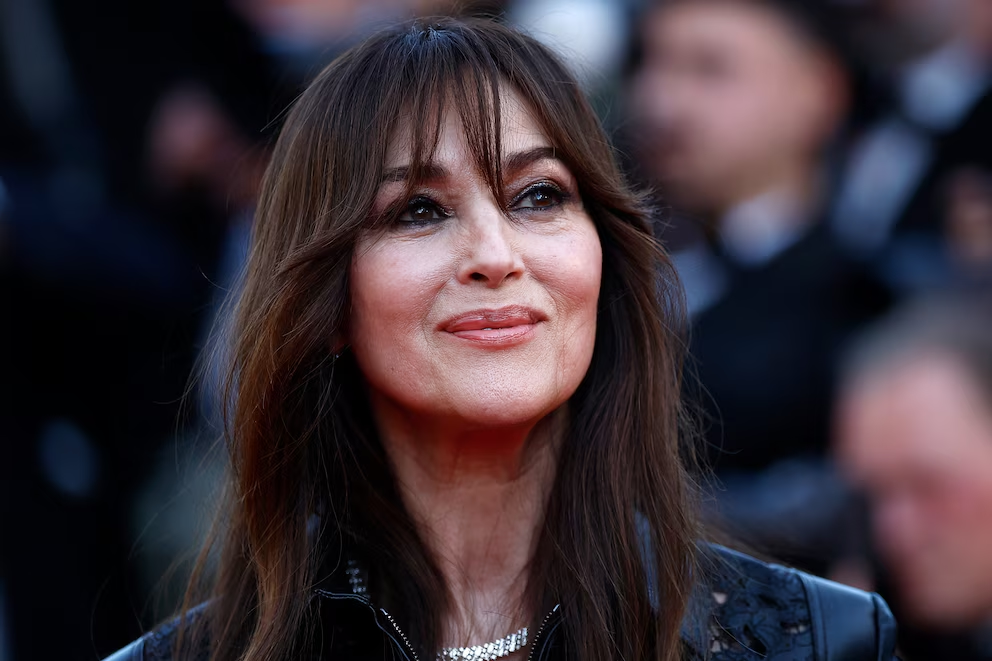
Her definition of beauty has also changed. Rather than focusing only on physical appearance, Bellucci now connects feeling beautiful with having a rich inner life, meaningful relationships, personal passions and the experience of watching her daughters grow. She presents fulfillment as something constructed through emotional depth rather than preserved through resistance to time.
The position is not an argument against beauty or glamour. Bellucci continues to participate actively in both worlds. It is instead a reframing of what gives them meaning.
Her message is ultimately direct: aging is not the opposite of vitality. It is evidence that life is still moving.
Narrative is power too.