

 Phoenix 24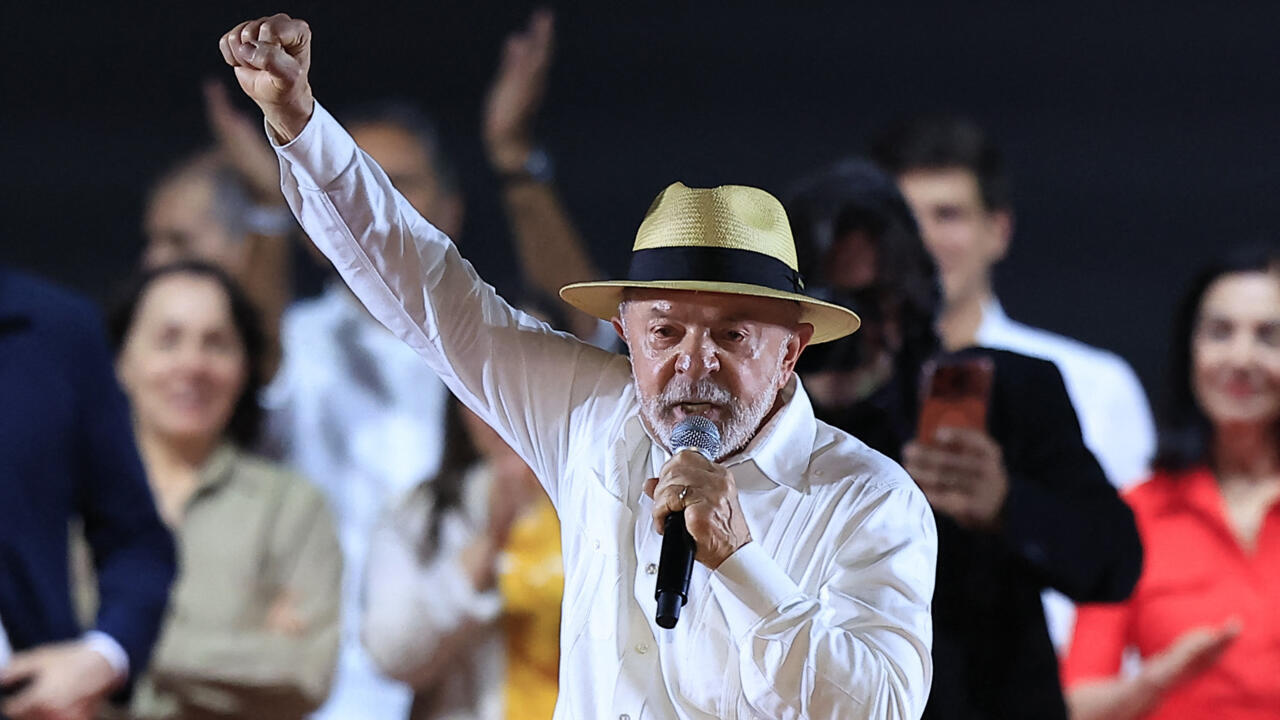
The first round is separating, but a potential runoff remains highly competitive.
São Paulo
Brazil enters the final stretch before its October 4 presidential election with President Luiz Inácio Lula da Silva expanding his advantage over Senator Flávio Bolsonaro in first round voting intentions. Two polls released on September 28 showed Lula consolidating his position at the top of the field, although neither survey indicated that he was on course to exceed the 50 percent threshold required to avoid a runoff.
The distinction is important. Lula’s stronger first round position does not translate automatically into a decisive advantage in a direct confrontation with Bolsonaro. Recent runoff simulations continue to place the two candidates within the margins of error in several major surveys. That means Brazil could move from a relatively clearer first round hierarchy into a much tighter second round contest scheduled for October 25.

Datafolha had already shown this pattern days earlier. Its September 24 survey placed Lula at 47 percent and Bolsonaro at 45 percent in a hypothetical runoff, a difference still within the poll’s margin of error. An AtlasIntel survey released the previous day produced an even narrower result, with Lula at 47.7 percent and Bolsonaro at 47.4 percent. Other September polling has similarly alternated between small numerical leads for each candidate without establishing a statistically clear advantage.
The electoral geography behind those numbers remains deeply polarized. Lula continues to draw significant support from lower income voters and the Northeast, while Bolsonaro remains competitive among conservative segments, including parts of the evangelical electorate and higher income groups. Both candidates also retain very high levels of loyalty among voters already aligned with their respective political camps.
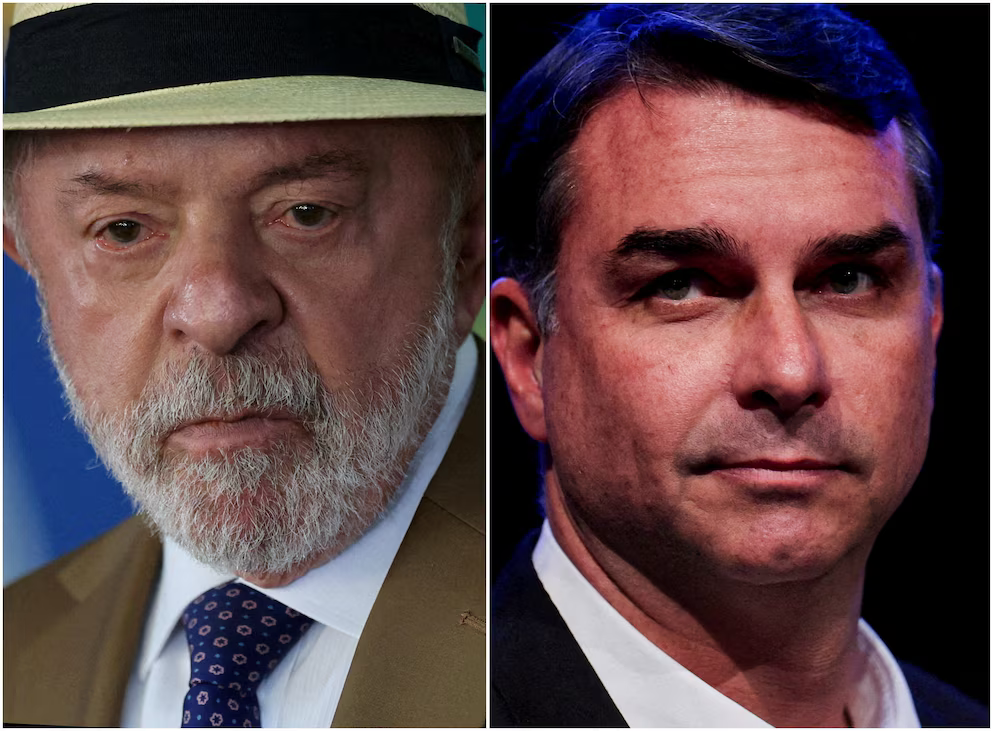
The campaign therefore enters its final days with two simultaneous realities. Lula has strengthened his position in the first round, but the broader election remains unresolved because a second round would reset the competition into a direct choice between the two leading candidates. Smaller candidates and previously undecided voters could then become decisive.
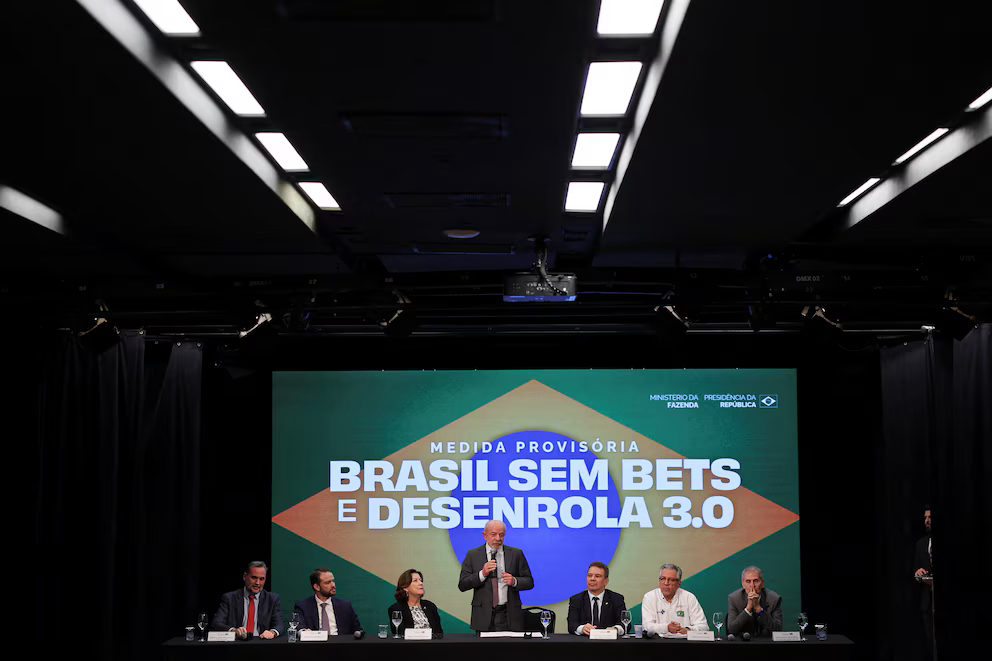
Brazil’s 2026 election is once again demonstrating how first round momentum and runoff competitiveness can tell different political stories. The immediate numbers favor Lula’s position at the head of the field, while the available second round polling still describes a race without a statistically clear separation.
Truth is structure, not noise.