

 Phoenix 24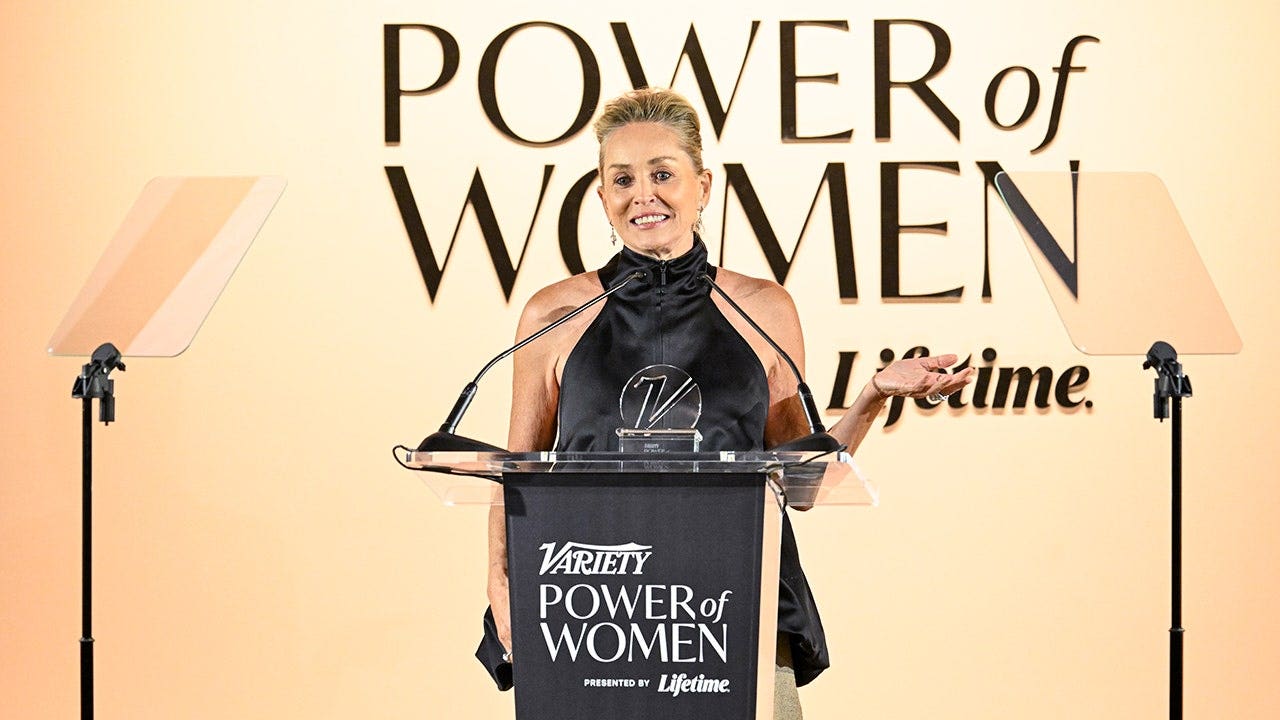
The controversy has shifted attention from celebrity marketing to women’s sport.
Los Angeles
Sharon Stone has questioned Sydney Sweeney’s participation in a provocative advertising campaign for sports prediction platform Novig, arguing that female athletics should not be diminished to attract male attention and encourage gambling. Speaking during Variety’s Power of Women event in Los Angeles, Stone said Sweeney should take responsibility for her own commercial decisions while stressing that she was not interested in personally judging the actress. Her comments add one of Hollywood’s most recognizable voices to a debate already involving several prominent female athletes.
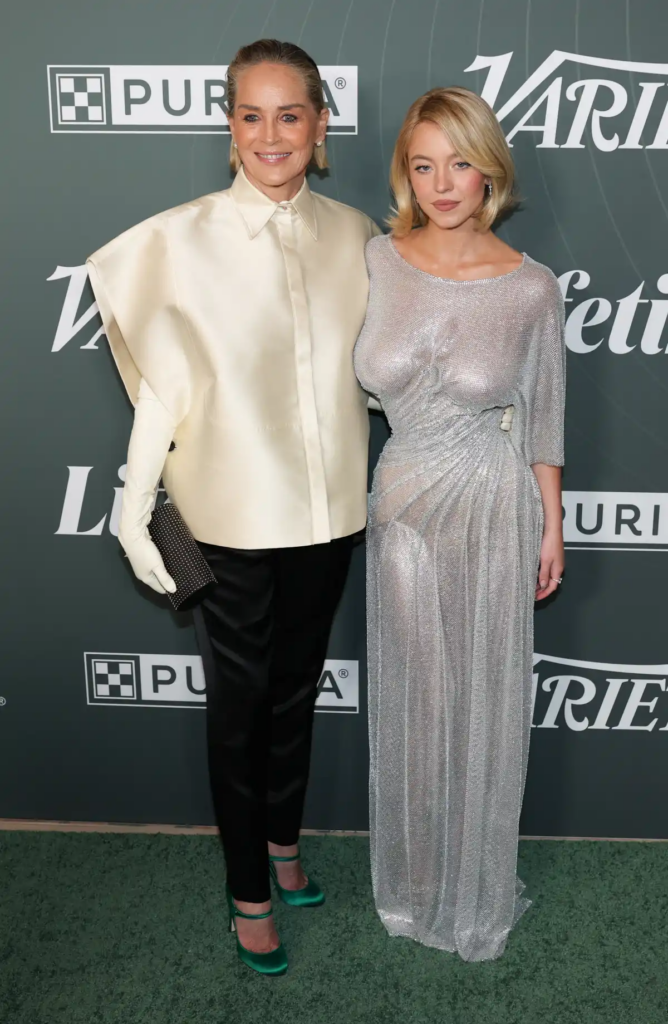
The campaign features Sweeney posing with American football equipment while appearing nearly nude, using sports imagery to promote Novig’s prediction platform. The visual strategy generated immediate attention but also criticism from athletes who argued that it sexualized women in a context where female competitors continue fighting for recognition based on performance. British sprinter Amy Hunt and American gymnast Gracie Kramer were among those who publicly challenged the imagery.

Stone’s criticism is particularly notable because she has previously defended Sweeney’s right to use her attractiveness commercially. During an earlier controversy surrounding the actress’s American Eagle campaign, Stone argued that there was nothing inherently wrong with capitalizing on physical appeal. Her response to the Novig advertisement draws a different boundary. The issue, in her view, is not sexuality itself but the way women’s sport is used as the framework for selling a gambling product.

The debate exposes a larger tension inside modern advertising. Brands increasingly depend on controversy to generate attention in digital environments where visibility can be converted rapidly into engagement. Celebrity campaigns capable of provoking outrage can therefore become commercially valuable even when public reaction is negative. The question is whether that attention strengthens a brand or eventually undermines the audiences and communities whose imagery it borrows.

Sweeney has faced similar debates before and has generally resisted allowing public controversies to define her identity. The Novig campaign, however, places her inside a particularly sensitive intersection involving gender representation, professional athletics and the rapidly expanding sports betting industry.

Stone’s intervention shifts the discussion beyond whether a celebrity should appear nude in advertising. It asks who benefits when the visual language of women’s sport is transformed into a mechanism for attracting gamblers.
Visibility becomes more complicated when attention itself is the product.