

 Phoenix 24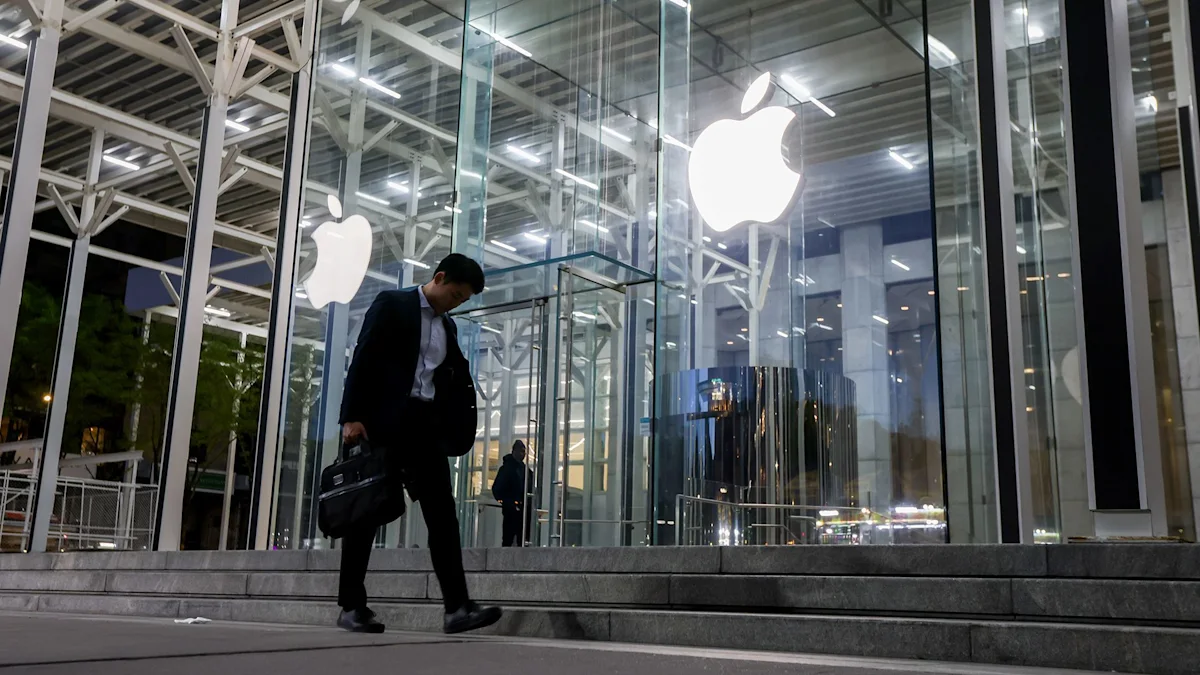
A tiny vibration component has produced one of the largest patent disputes in U.S. history.
San Diego
Apple has been ordered by a federal jury to pay more than $5.7 billion to Taction Technology after jurors concluded that the company infringed two patents covering haptic feedback technology used in iPhones and Apple Watches. The case centers on Apple’s Taptic Engine, the component responsible for the taps and vibrations users feel when interacting with the company’s devices. The verdict ranks among the largest patent damage awards ever issued in the United States. Apple has already announced that it will appeal.
Taction Technology, a San Diego company specializing in tactile audio and gaming products, filed the lawsuit in 2021. It argued that Apple incorporated patented vibration technology into the Taptic Engine without authorization. The jury ultimately found infringement involving claims from two Taction patents, although it also concluded that Apple’s conduct was not willful. That distinction could become important as the litigation continues through post trial motions and appeal.
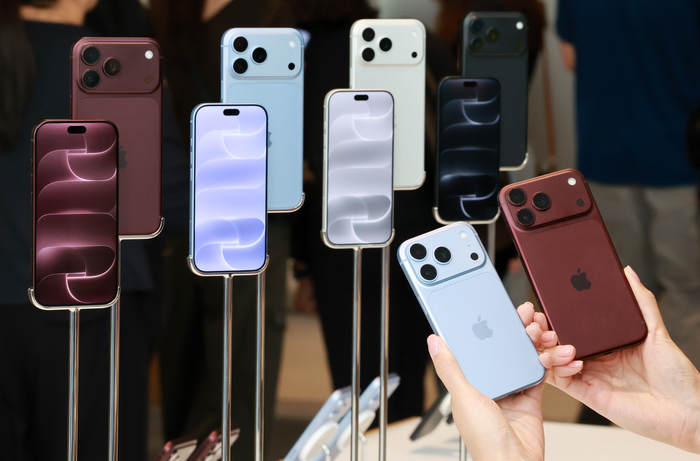
Apple strongly disputes the verdict. The company maintains that its Taptic Engine is fundamentally different from Taction’s technology and argues that testing presented during the trial supports that position. Apple has also challenged the validity of the patents themselves throughout the litigation. The dispute had previously been dismissed by a federal judge before an appeals court revived the case and returned it to litigation.
The size of the award reflects the extraordinary commercial reach of the products involved. Haptic feedback has become a standard part of the user experience across generations of iPhones and Apple Watches, meaning even a relatively small patented component can be associated with enormous sales volumes. Patent cases involving technologies embedded across millions of devices can therefore generate damages far beyond the scale of the original invention.
The case also highlights the growing financial importance of intellectual property litigation in the technology sector. Modern devices combine thousands of patented systems involving displays, processors, communications, sensors and interface technologies. Disputes over seemingly invisible components can consequently create multibillion dollar exposure for companies whose products operate at global scale.
The verdict is not necessarily the final outcome. Appeals can reduce, overturn or reshape major patent awards, and Apple has made clear that it intends to continue challenging both liability and damages.
In technology, even the smallest sensation can carry a multibillion dollar consequence.