

 Phoenix 24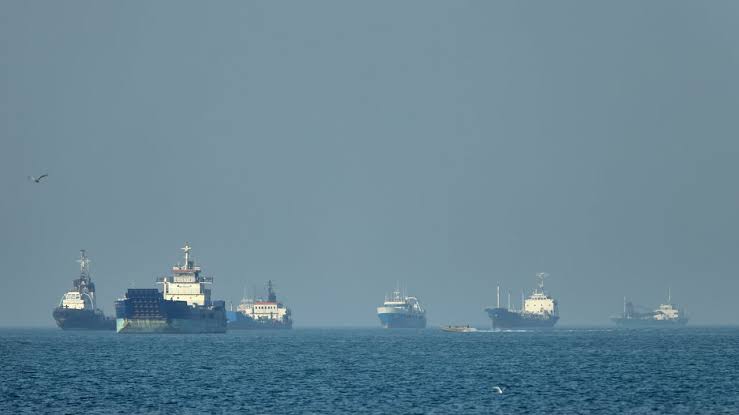
Unidentified projectiles expose the vulnerability of a critical energy corridor.
Strait of Hormuz, Persian Gulf.
Two commercial vessels were struck by projectiles while navigating the Strait of Hormuz on September 21, leaving two crew members with minor injuries and renewing concerns about the security of one of the world’s most important maritime passages. The United Kingdom Maritime Trade Operations agency (UKMTO) confirmed both incidents and announced investigations into their circumstances. The origin of the projectiles remains unidentified, and authorities have not established responsibility for either incident.
The first incident involved a tanker entering the Persian Gulf when an unidentified projectile struck the vessel. Two crew members sustained minor injuries, but the ship remained operational and continued toward its next port under its own power. UKMTO reported no environmental impact and advised other vessels to exercise caution while navigating the area.
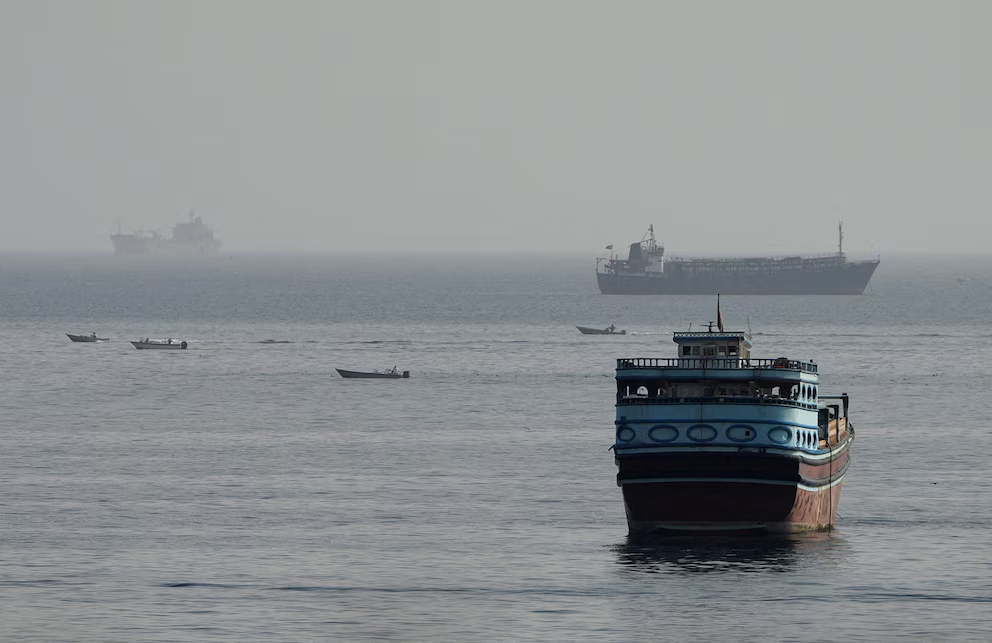
A second incident involved a tanker transporting liquefied petroleum gas as it traveled out of the strait. According to a delayed report submitted by its captain, the vessel was struck by fragments from projectiles of undetermined origin. All crew members were reported safe, and no environmental damage was identified. The ship continued its voyage while authorities began examining the circumstances of the impact.
The incidents occurred amid renewed military warnings from Iran. A spokesperson for the Islamic Revolutionary Guard Corps, Brigadier General Hossein Mohebi, said Tehran could expand its military response if the country faced additional attacks. He also claimed that Iranian forces had identified new American targets and possessed weapons that had not yet been deployed. Those declarations do not establish Iranian responsibility for the incidents involving the two commercial vessels.
The maritime situation remains fragile despite efforts to maintain international shipping. Reuters reported that only 17 commodity vessels crossed Hormuz during the preceding weekend, compared with 37 a week earlier. Before the conflict began in February, approximately 125 large commercial vessels transited the strait daily. Some tankers continue operating with their tracking transponders switched off, making visible traffic figures an incomplete measure of actual movements.
The commercial consequences extend beyond the vessels directly affected. Reduced shipping capacity, security precautions and changing transportation routes can increase freight costs and complicate the delivery of crude oil, liquefied natural gas and other commodities. Such disruptions expose energy-importing economies to additional uncertainty even when producers maintain some exports.
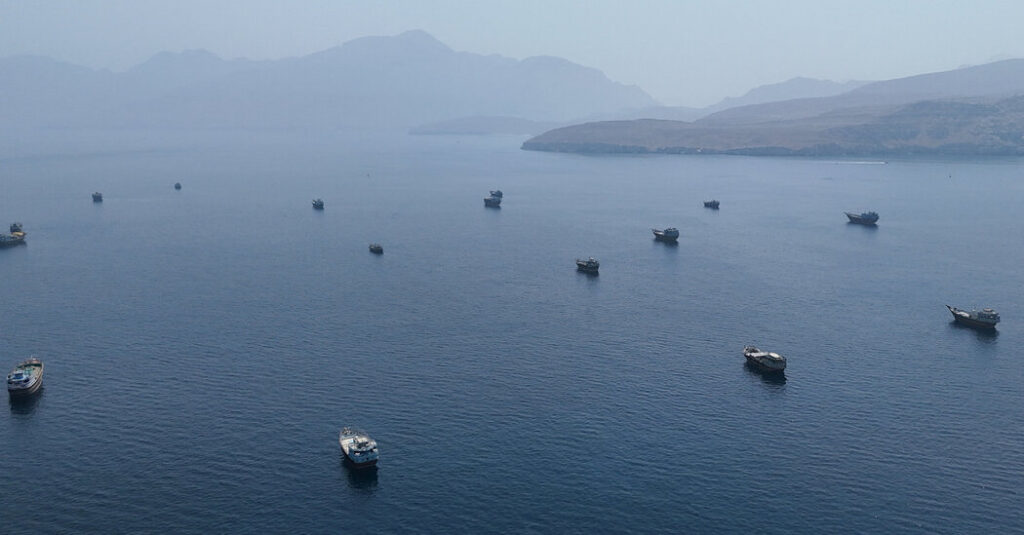
The two incidents also demonstrate the limits of assessing maritime security through shipping volumes alone. A vessel may complete its journey despite sustaining damage, but the exposure of its crew to unidentified projectiles remains a serious operational concern.
For shipping companies, the immediate priority is protecting crews while maintaining essential commercial movements. For investigators, determining the origin and circumstances of the impacts is necessary before responsibility can be established.
The Strait of Hormuz remains open to some commercial traffic, but continued navigation does not necessarily indicate that safe passage has been restored.
Lo visible y lo oculto, en contexto. / The visible and the hidden, in context.