

 Phoenix 24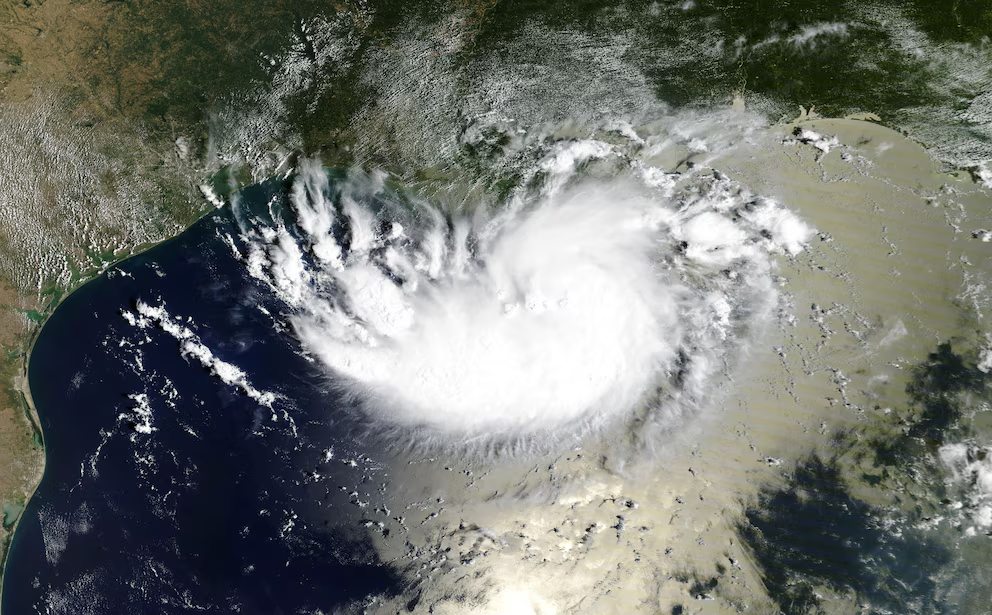
An unusually quiet ocean conceals risks that have not disappeared.
Miami, United States.
The 2026 Atlantic hurricane season has entered the record books after reaching September 21 without producing a single hurricane, the latest occurrence of its kind since modern satellite monitoring began in 1966. According to the US National Hurricane Center, six named tropical storms have developed since the season officially began on June 1, but none has reached hurricane strength. The unusual inactivity challenges expectations for a period that normally includes some of the Atlantic’s most intense tropical activity.
The previous record for the latest formation of a season’s first hurricane during the modern monitoring era was surpassed on September 12. By September 21, the Atlantic had produced six named storms, compared with a historical average of approximately nine by that point. A typical season would also have generated around four hurricanes, including two major hurricanes.
The contrast becomes more striking when measured through Accumulated Cyclone Energy, an index combining storm intensity and duration. National Hurricane Center data show that the Atlantic had accumulated a value of just 5.9, approximately 93% below the historical average. The figures indicate that the season has been unusually weak not only in the number of storms but also in their overall energy.
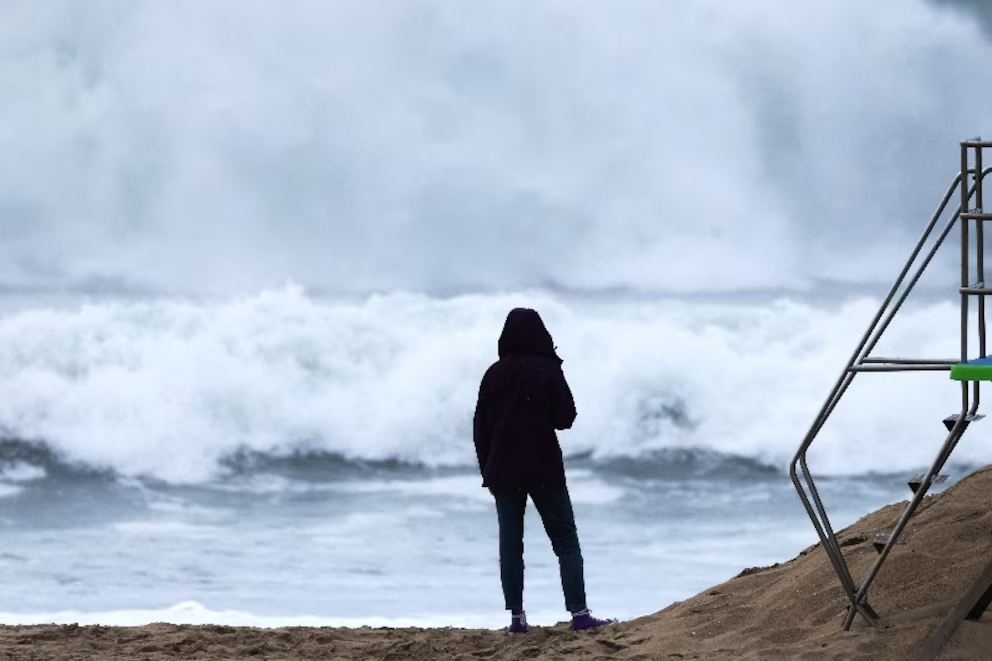
Meteorologists identify the developing El Niño phenomenon as an important contributing factor. Its influence on atmospheric circulation increases vertical wind shear over parts of the Atlantic, disrupting the organization of tropical systems. Exceptionally strong wind shear during the summer, combined with dry air and Saharan dust, created conditions that restricted storm development even where ocean temperatures could otherwise have supported intensification.
The absence of hurricanes does not mean the season has been harmless. Tropical Storm Edouard generated damaging rainfall and flash flooding in eastern Texas, while the remnants of Arthur caused severe flooding in Louisiana. These events demonstrate that tropical systems can threaten lives and infrastructure without reaching hurricane intensity.
The historical comparison also requires context. Earlier seasons, including 1907 and 1914, experienced similarly prolonged periods without hurricanes, but observations before the satellite era were less comprehensive. Modern monitoring provides a more reliable basis for comparing storm formation across the entire Atlantic basin.

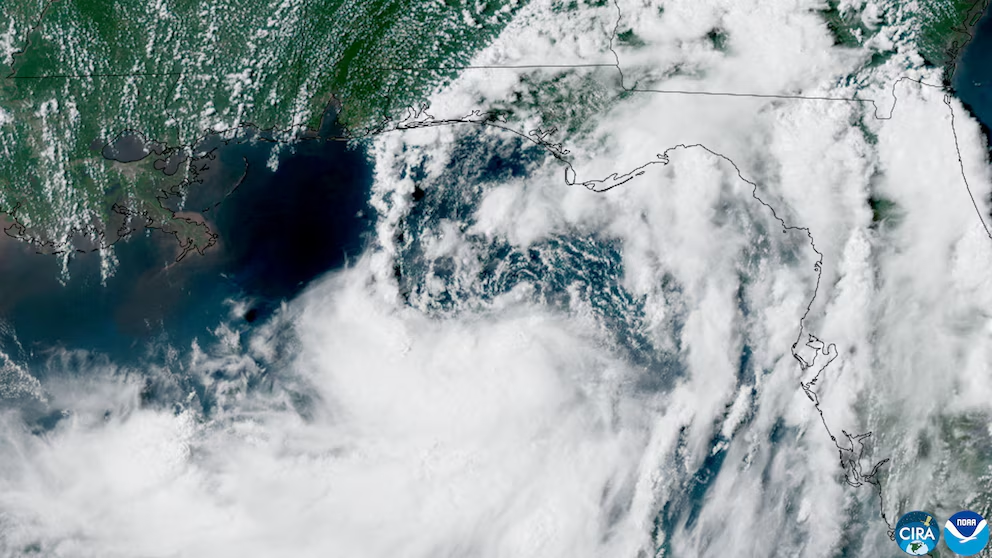
The National Oceanic and Atmospheric Administration continues to emphasize that a slow beginning does not eliminate the possibility of destructive storms later in the year. The official season extends through November 30, and systems forming closer to the Gulf Coast or southeastern United States may encounter atmospheric conditions different from those prevailing over the tropical Atlantic.
The central lesson concerns the distinction between seasonal activity and individual risk. A basin can experience an exceptionally quiet year while still producing a dangerous storm capable of causing widespread damage.
The Atlantic’s unprecedented calm is a meteorological milestone, not a guarantee of coastal safety.
Lo visible y lo oculto, en contexto. / The visible and the hidden, in context.