

 Phoenix 24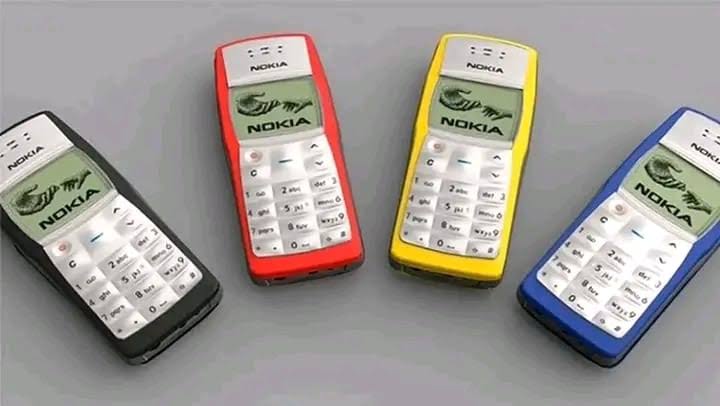
A technological icon challenges the culture of constant connectivity.
Espoo, Finland.
The Nokia 1100, one of the most recognizable mobile phones in history, is attracting renewed attention in 2026 as collectors and consumers rediscover the simplicity of early mobile technology. Originally released in 2003, the device sold approximately 250 million units, earning recognition from Guinness World Records as the best-selling mobile phone model of all time. Its resurgence follows the introduction of the Nokia 300 Charge, a basic handset developed by HMD Global that draws inspiration from the durability and extended battery life associated with earlier Nokia devices. The renewed interest reflects a broader cultural response to increasingly complex smartphones and permanent digital connectivity.
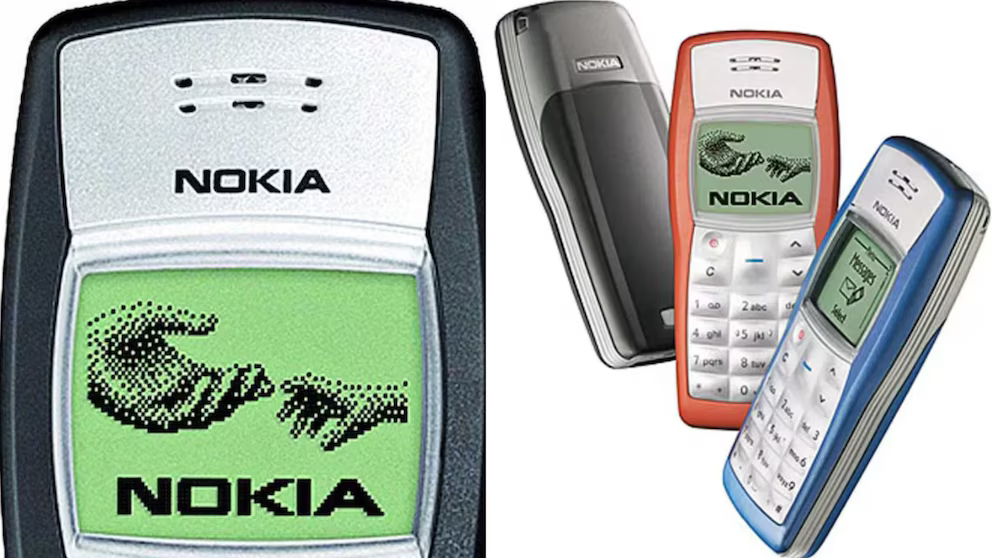
The original Nokia 1100 became a global commercial phenomenon by prioritizing accessibility over technological sophistication. With an introductory price of approximately $100, it offered voice calls, text messaging, an alarm, a calculator, a flashlight and the popular Snake game. Its monochrome display and removable 850 mAh battery supported up to 400 hours of standby time and approximately four and a half hours of continuous conversation under specified conditions. Robust construction and straightforward operation made it particularly attractive in emerging telecommunications markets.
More than two decades later, the device has acquired a different commercial identity. According to prices documented by Infobae, used Nokia 1100 handsets are advertised on resale platforms for approximately $23 to $93, depending on their condition and accessories. A black-trimmed version was listed in Mexico for 1,600 pesos. These figures represent advertised prices rather than confirmed transaction values, and ordinary used units should not be confused with exceptionally preserved collector’s editions.
The renewed fascination also coincides with interest in so-called dumb phones, devices designed primarily for communication rather than continuous internet access. Some consumers view these alternatives as a way to reduce screen time, notifications and dependence on digital applications. Others are motivated by nostalgia or an appreciation for electronics developed around durability and functional simplicity.
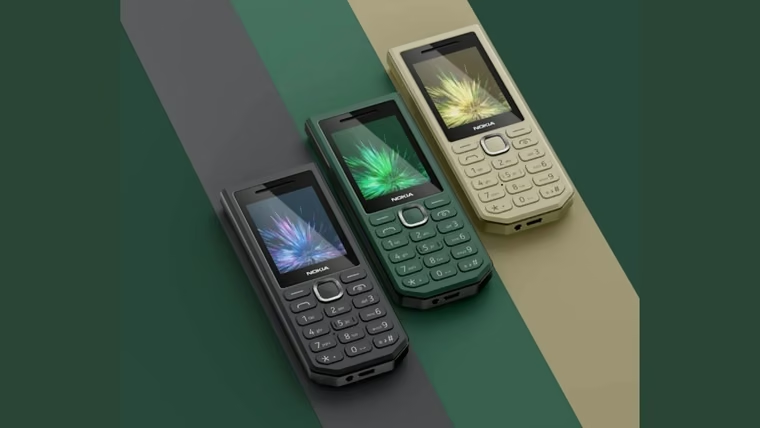
HMD Global’s Nokia 300 Charge translates part of that philosophy into contemporary hardware. The device features a removable 3,700 mAh battery, with the manufacturer claiming more than 40 days of standby time. It can also supply emergency power to another device through a 10-watt USB-C reverse-charging function. Its specifications include a 2.4-inch display, FM radio and expandable storage, although availability is currently limited to the Philippines.
Technical limitations remain important. Both the original Nokia 1100 and the newer device depend on legacy 2G connectivity, meaning their usefulness for voice calls and messages varies according to local telecommunications infrastructure. Collectible value does not automatically translate into everyday functionality.
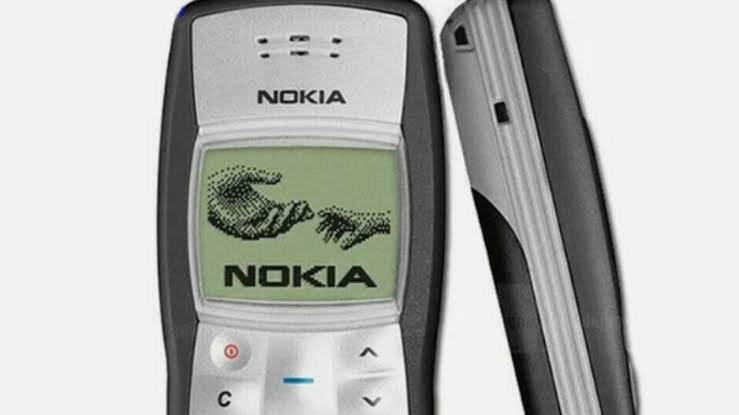
The Nokia 1100’s renewed visibility reveals an unexpected contradiction in technological consumption. While manufacturers compete through artificial intelligence, increasingly powerful processors and sophisticated displays, a segment of the market continues to value devices that accomplish fewer tasks with greater simplicity.
Its return is not evidence that smartphones are becoming obsolete. It demonstrates that technological progress and consumer preferences do not always move in the same direction.
Cada silencio habla. / Every silence speaks.